
Using oral surgery to help sleep apnea seeks to remove the excess tissue in the throat that is vibrating and blocking the upper air passages. One surgical procedure is an Uvulopalatopharyngoplasty (UPPP). This procedure involves removing the excess tissue from the upper mouth and throat. This procedure in performed in a hospital under general anesthesia. Maxillomandibular advancement is another type of procedure used to assist with sleep apnea. This procedure involves the upper and lower part of the jaw. In this procedure, the jaw is moved forward from the rest of the facial bones. This allows more room behind the soft palate, thereby reducing the obstruction. Finally a Tracheostomy is a last ditch effort when other treatments have failed. This involves the surgeon inserting a tube in your throat so you can breathe. It is covered during the day, but opens at night while you sleep. All of the aforementioned surgeries are routine and very safe.
SLEEP DISORDERED
What Is Sleep Disordered Breathing?
Sleep disordered breathing is a term used to describe any condition that affects your ability to breathe easily while you are sleeping. A common condition is sleep apnea, where your body stops breathing intermittently throughout the night. This affects your overall health and quality of sleep, and it can lead to serious medical complications like heart attack or stroke.
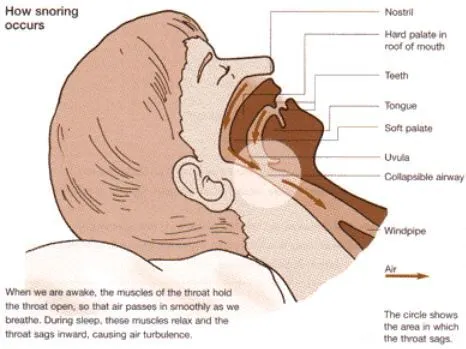
Obstructive sleep apnea is a condition where your upper airway cannot stay open enough for air to get through. The muscles in the back of your throat relax excessively during sleep, which can close off your airway.
If you have obstructive sleep apnea, you may wake up dozens of times throughout the night choking or gasping for breath—even if you don't remember it happening in the morning.
DNA device therapy using the Vivos oral appliance can correct upper airway problems and help you get the restful sleep you deserve. Call Dr. Supriya Verma at (718) 699-8268 to schedule your consultation today!
Is Snoring a Bad Thing?
Snoring is caused by air moving past relaxed tissues in your throat during sleep. When these tissues become too relaxed, they vibrate, creating the sound of snoring. While occasional snoring is common, chronic or loud snoring may be a sign of obstructive sleep apnea.
Oral appliances, like the Vivos DNA appliance, are designed to increase the size of your upper airway and reduce snoring. If you experience regular snoring, call our office at (718) 699-8268 to schedule a consultation for DNA device therapy.